| Availability: | |
|---|---|
| Quantity: | |
SM245
SLYM
China
1pc
L/C, T/T
standard export packaging
3-5days
12 months
avalible
90-120ton
Key Features & Advantages:
Unrivaled Impact Energy: The SM245 is optimized for maximum piston stroke, providing the high-impact energy needed to tackle the hardest granite and reinforced concrete.
Advanced Noise Suppression: The silenced box design reduces decibel levels significantly, protecting the operator and the surrounding environment in urban job sites.
Heavy-Duty Durability: Forged with high-grade wear-resistant steel, the internal components and the 245mm chisel are heat-treated for extended service life in extreme 24/7 mining conditions.
High Compatibility: Perfectly matched for 90-120 ton class excavators. Custom mounting brackets (OEM/ODM) are available for all major brands.
Applications
Mining & Quarrying: Primary breaking in open-pit mines and hard rock quarries.
Infrastructure: Heavy-duty demolition for subways, tunnels, and bridge foundations.
Mass Excavation: Large-scale site preparation and trenching for utility mains.
Why Choose SLYM Machinery?
As a specialized manufacturer, SLYM Machinery provides more than just equipment. We offer proven reliability. Our SM245 has been successfully deployed in high-profile international projects, delivering consistent performance where others fail. With our robust after-sales support and technical expertise, the SM245 ensures your project stays on schedule and under budget.
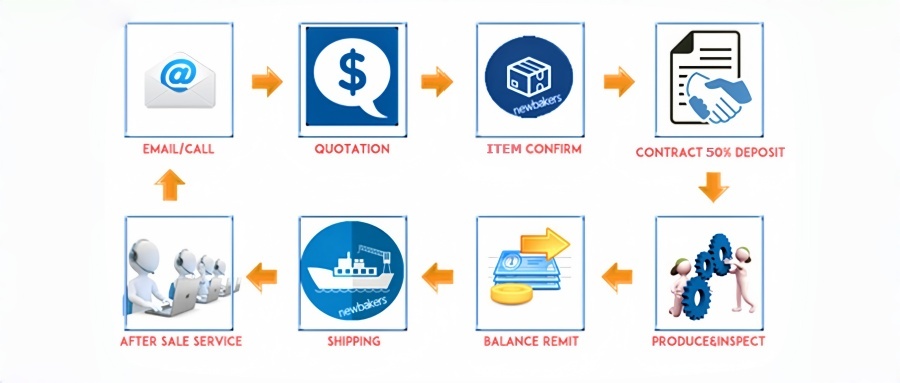
How to order?
| Items | Units | SM245 |
Oil Capacity | l/min gpm | 350~400 92.5~105.7 |
Impact Frequency | bpm | 90~120 |
Impact Energy | ft.ibs Joules | 40,785 55,296 |
Chisel Diameter | mm inch | 245 9.6 |
Hose Size | mm inch | 47.8 PF1 1/2'' |
| Suitable Excavator | ton ib m3 ft3 | 90~120 180,000~240,000 4.5~8.5 158.92~300.17 |
Q1: Why is my hydraulic oil turning black?
The Technician's Answer: "Black Oil" is a warning sign that contaminants are entering your system. This is usually caused by two things:
Aged Seals: If you haven't replaced your seal kits in over 6 months, the rubber begins to wear down into microscopic black particles.
Clogged Exhaust Screw: If the breather/exhaust screw is blocked by a mix of grease and dust, the waste cannot escape and gets forced back into the hydraulic circuit.
Solution: Replace the seal kit immediately and clean the exhaust screw with solvent.
Q2: My hydraulic hoses are jumping or vibrating violently. What's wrong?
The Technician's Answer: This is a classic symptom of a gas leak. When the nitrogen (N2) pressure in the back head or accumulator is too low or has leaked out entirely, the breaker loses its "cushion," causing the hydraulic oil to pulsate violently through the hoses.
Solution: Stop operation immediately. Check the nitrogen pressure and refill to the levels specified in your SLYM manual.
Q3: Why did my chisel (tool) or piston chip/break at the striking face?
The Technician's Answer: This is almost always caused by excessive clearance.
Check the gap between your chisel and the bushing. If it is greater than 5mm, the chisel will "tilt" or wobble inside the hammer.
When the piston hits a tilted chisel, the force is concentrated on one edge rather than the center. This causes "pitting" or metal chunks to fly off.
Solution: Replace bushings once they hit the 5mm wear limit
Q4: My hydraulic breaker has lost power and is hitting "weak." Why?
The Technician's Answer: Before blaming the cylinder, check these three things:
Nitrogen Pressure: Too much gas pressure can actually prevent the piston from traveling its full stroke; too little gas reduces the impact force.
Oil Temperature: If your oil is overheating (above 80°C), it loses viscosity, leading to internal pressure bypass.
Worn Seals: Internal leakage across the piston seals will reduce the striking power significantly.
Q5: What causes the tie-rods (through-bolts) to snap?
The Technician's Answer: The #1 killer of through-bolts is "Dry Firing" (firing the hammer without pressure on the chisel) or improper torque.
When you dry fire, the energy that should go into the rock goes into the hammer's own bolts and pins instead.
Solution: Ensure operators apply firm downward pressure before triggering. Check bolt torque every 50 operating hours.
Q6: How should I store my hydraulic breaker for the winter or off-season?
The Technician's Answer: Never leave it exposed to the elements.
Push the Piston Up: This is the most important step. By pushing the piston into the cylinder, you keep the polished metal surfaces coated in oil and safe from rust.
Bleed Nitrogen: This makes it easier to retract the piston and saves the seals from constant pressure.
Plug the Ports: Use steel plugs on all hose connections to keep moisture out.